
Echoes of Devotion: Lingaraj, Kora Khai, and Bindu Sagar
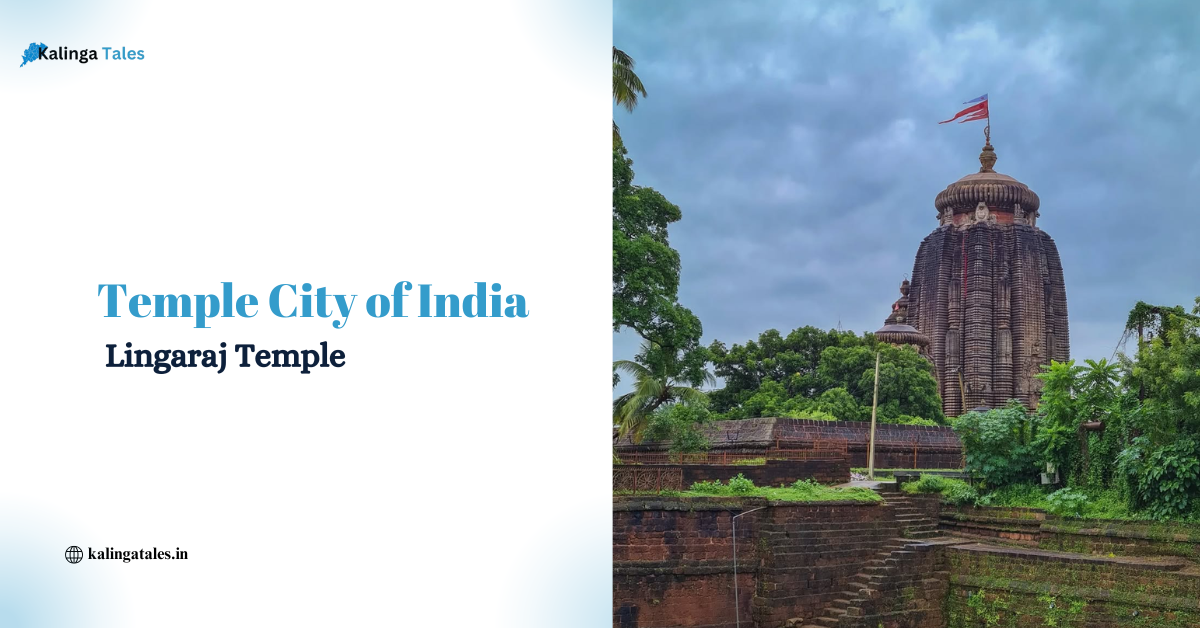
Bhubaneswar is often referred to as the “Temple City of India.” It is home to ancient Hindu deities, especially Shiva and Shakti, and is dotted with many old temples, each with its own unique history and priceless architectural marvels. The old town of Bhubaneswar particularly embodies this richness. Despite the city’s development, this part still retains its ancient vibrancy and traditions.
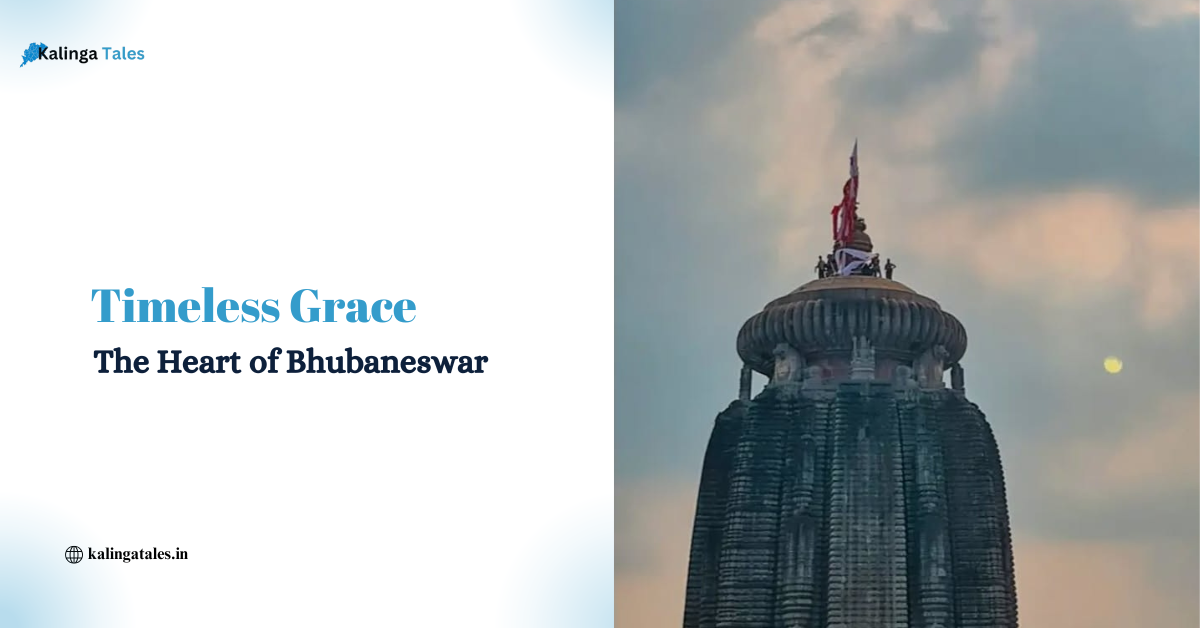
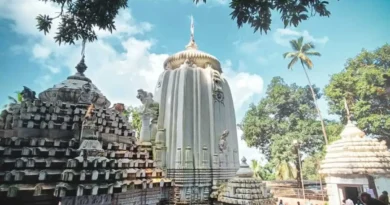
Among the many remarkable temples in the city, Lingaraj Temple stands as a legend in its own right. Its beauty is extraordinary, dedicated to Lord Shiva and his consort Parvati, who is worshiped as Annapurna or Girija here. This temple embodies the historical glory of Bhubaneswar and dates back to the 11th century. It is believed to have been built by the kings of the Somavamsi dynasty, with later contributions from the Ganga dynasty. Lingaraj Temple is considered one of the majestic creations of Kalinga architecture and a testament to the peak of Shaivism during its construction.
(Image Source: Pankaj Nayak)
The linga in the temple is swayambhu (self-manifested), and the temple’s architecture resembles a Vimana. For all Odias, Lingaraj Mahaprabhu is central to their existence. Not only people from Bhubaneswar or Odisha, but visitors from all over the country come to this temple after completing their pilgrimage to Puri. Due to its ancient heritage, the temple holds great significance. The night of Shivaratri sees a surge of devotees, deeply immersed in devotion.
I remember my childhood memories of Maha Shivaratri when my family took me to the temple to pray to Lord Lingaraj. The crowd was overwhelming, but the spiritual atmosphere is something I still cherish. Every Odia breaks their Shivaratri fast after witnessing the lighting of the Mahadeepa at the top of the temple, which is a significant ritual of the occasion. The Lingaraj Temple and its architecture encompass a rich history that deserves deeper exploration. This temple reminds me of Kora Khai and Bindu Sagar (Bindu Lake). Kora Khai is an offering made to Lord Lingaraj and is believed to be his favorite dish, which he relishes.
Suggested Read : Kartika Niti: Importance of Radha-Damodar Besa and Kartika Mahatmya
What is Kora Khai?
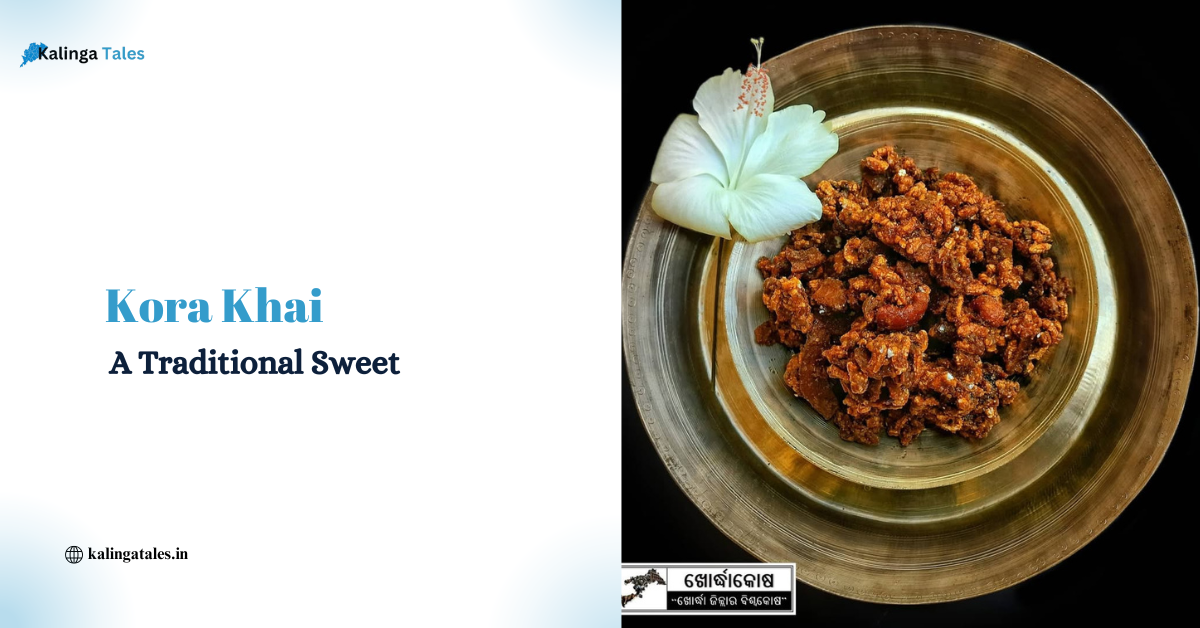
(Image Source: khordhakosa)
Kora Khai is a traditional dish often offered to the gods, highlighting its ancient origins. It is made with rice flakes (known as Khai), jaggery, coconut, dry fruits, black pepper, ajwain, and a variety of other spices. Over time, the dish has evolved into many versions. The ingredients, including Khai and coconut, along with the dry fruits and spices, are mixed together and cooked over a flame. In the final stages of preparation, pure cow ghee is added, which enhances both the flavour and texture. Traditionally, Kora Khai was prepared on a wooden hearth, and this practice continues to this day.
Suggested Read : Shocking Story Behind Lord Jagannath’s Bala Bhoga
Where can we find Kora Khai?
In Bhubaneswar and various parts of Odisha, Kora Khai is readily available. However, the most authentic version can be found in the old town of Bhubaneswar, where it is traditionally prepared for Lord Lingaraj. There are numerous shops in the old town, but the most famous one is run by Bhagabat Sahoo. The shop, named Baiya Kora Khai, is currently managed by the fifth generation of the Sahoo family. It was established by Basudev Sahoo approximately 300 years ago and has been dedicated to serving Lord Lingaraj ever since. The shop not only sells Kora Khai to locals but also exports it internationally. If you ever visit Lingaraj Temple, be sure to stop by this shop to experience the authentic taste of Kora Khai. Baiya Kora Khai has received numerous honours and is renowned worldwide.
As I think about Kora Khai, I can’t help but reminisce about the wintry evenings by Bindu Sagar. After an exhausting day at college, I often felt cranky. Working with students can be mentally challenging. Thus, while returning home, I would frequently stop by Bindu Sagar, sit by its bank, and enjoy Kora Khai. The light show there was the cherry on top. The combination of water and light is accompanied by the Shiva Tandava Strotam, and trust me, it sends chills down your spine if you immerse yourself in the atmosphere.
Suggested Read: Sweet Makara Chaula and Traditions of Makara Sankranti in Odisha
Bindu Sagar: Bhubaneswar’s Holy Lake
(Image Source: Beauty Of India)
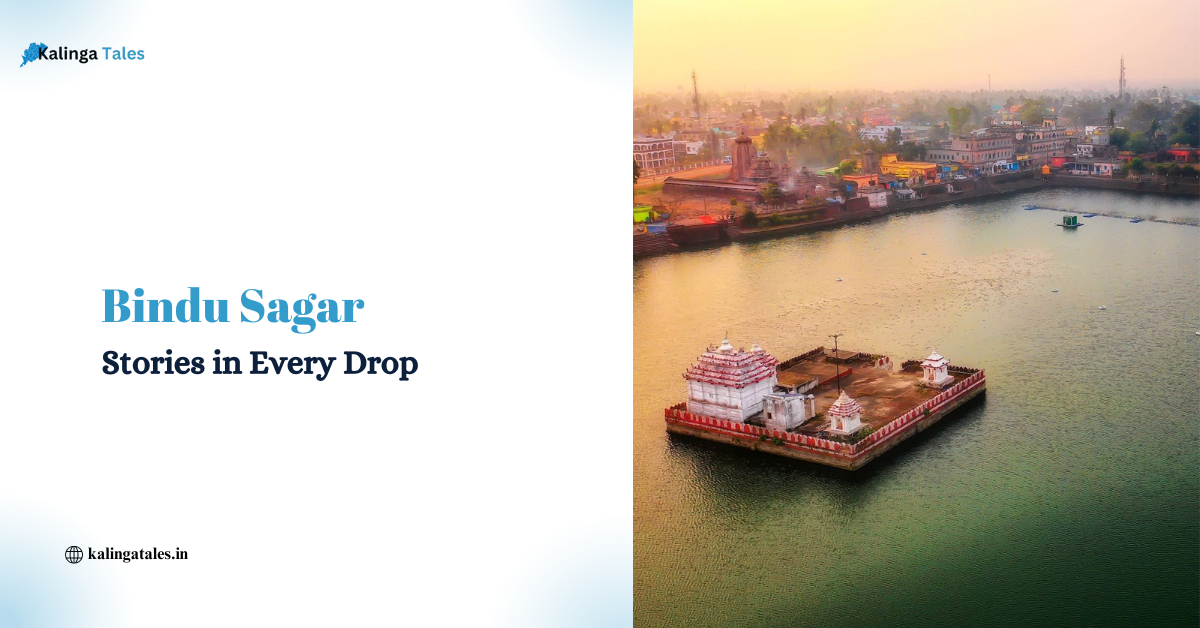
This small lake, the largest waterbody in Bhubaneswar, is surrounded by many ancient temples. Numerous legends are associated with it. One belief is that Shiva moved from Kashi to Ekamrakshetra (Bhubaneswar) for a retreat, which is why the lake is also referred to as the hidden Kashi. According to the legend, Parvati was left alone in Kashi and could not bear the separation from Shiva. In her distress, she began searching for him. While waiting, she was troubled by two demons, whom she killed in a fit of rage. Eventually, overwhelmed by thirst, she prayed to Shiva for help. In response, Shiva created this lake for her to quench her thirst. Since then, the lake has been regarded as holy. Devotees believe that taking a holy dip in the lake can rid one of negativity and that drinking its water can cure illnesses.
The view of Lingaraj from the bank of the lake is breathtaking. To the east, one can also see the Ananta Vasudev Temple and the Brahma Temple. Surrounding the lake, there is a temple in each direction, which serves as a common meeting point for the Tridevs. In the centre of the lake stands a small temple known as the Bindu Sagar Temple. The lake is managed by the Lingaraj Temple Association and is well-maintained. Even on Kartika Purnima, devotees can be seen lining up to float their tiny decorative boats to honour the maritime culture.
With the help of local residents, the temple association has built a beautiful walkway around the lake, allowing visitors to complete a parikrama, or circumambulation, around it. Bindu Sagar is a spiritual reflection of the self. The word “Bindu,” which means “dot,” has various meanings in our Sanatana Dharma. It refers to the third eye and also signifies the beginning of creation. This “Bindu,” representing the balance between life and energy, harmonizes the spiritual and material lives of the people of Bhubaneswar. Moreover, this Bindu reflects the unity that exists among the Odia people.As Lord Jagannatha nurtures us, Lord Lingaraja removes the negativities that have the potential to stain our spirit.
“Karala bhala pattikadhagaddhagaddhagajjvala
Ddhanajnjaya hutikruta prachandapajnchasayake
Dharadharendra nandini kuchagrachitrapatraka
Prakalpanaikashilpini trilochane ratirmama”


I’m thrilled to hear that your descriptions have transported me to the banks of Bindu Sagar and tempted my taste buds with the delicious Khai!
Bindu Sagar, a sacred lake in Odisha, is indeed a breathtaking sight. Its tranquil waters, surrounded by lush greenery, create a serene atmosphere that calms the mind and soothes the soul.
Thank you for sharing your experience! If you have more stories or memories you’d like to share, I’m all ears!
Dear reader,
we are glad that you liked reading this piece of writing. Please stay tuned for more such writeups. 🙂
Pingback: Basanta Panchami and the Divine Grace of Jhankada Basini Maa Sarala