Maha Shivaratri at Kapilash Temple: A Sacred Journey to Odisha’s Abode of Lord Shiva
Maha Shivaratri is one of the most significant festivals in India, dedicated to Lord Shiva and his consort, Maa Parvati. On this day, the entire country seems to be immersed in the cosmic dance of the Lord. The divine presence of Lord Shiva on Earth is strongly felt, particularly at Kailash, which is considered his abode and is believed to be at its peak of spiritual energy.
Throughout the country, people celebrate by dancing to the sounds of Mahadev. The festival is celebrated grandly at the 12 Jyotirlinga temples. When the entire world dances to the Nada of Lord Shiva how can Odisha remain far behind?
The association of Shaivism with Odisha dates back to ancient times. In our state, the Lord manifests in various forms. Sometimes he is known as Brahmeshwara (the Supreme Being of the Universe), other times as Lingaraj (the Lord of Lingas), Pataleshwara (the Lord of the Netherworld), Ladoo Baba, Megheshwar (the Lord of Clouds), Budha Linga (the ancient and old Linga), and our beloved Chandrasekhar (the one whose hair is adorned by the moon).
Suggested Read: Kartika Niti: Importance of Radha-Damodar Besa and Kartika Mahatmya
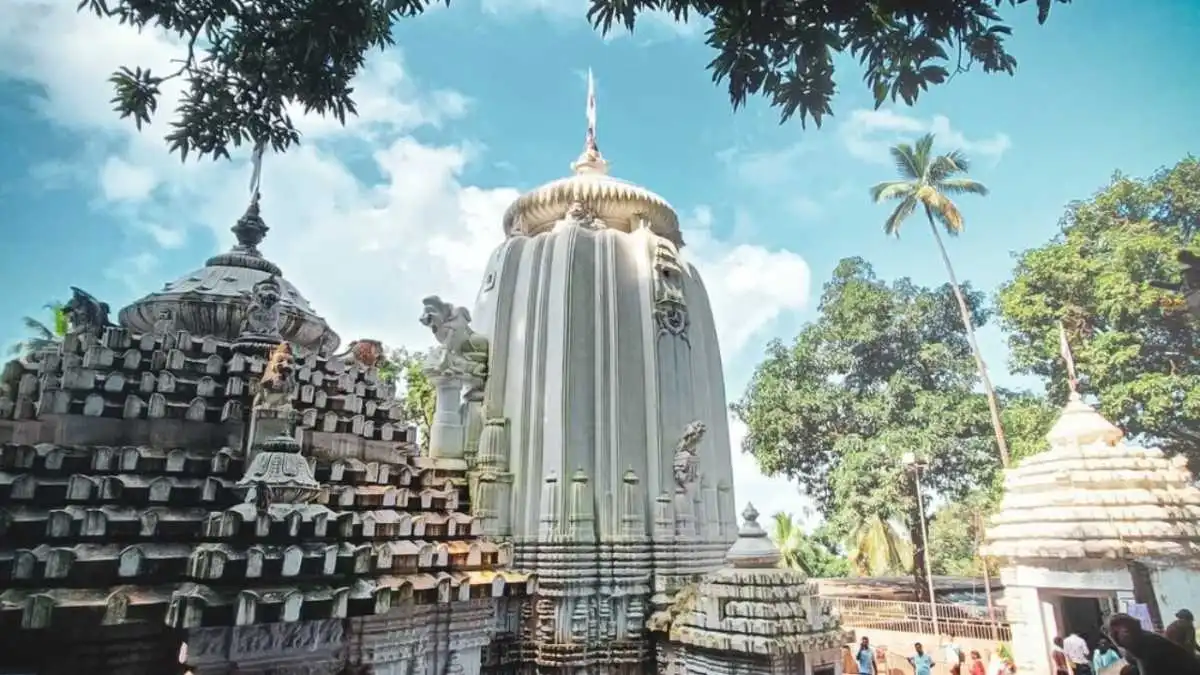
While we worship all his forms, the Chandrasekhar form is particularly dreamy. Lord Chandrasekhar resides on the hill of Kapilash, deep in the forest of Dhenkanal. The glory and majestic architecture of this temple evoke wild ecstasy in anyone who visits.
Where is Kapilash?
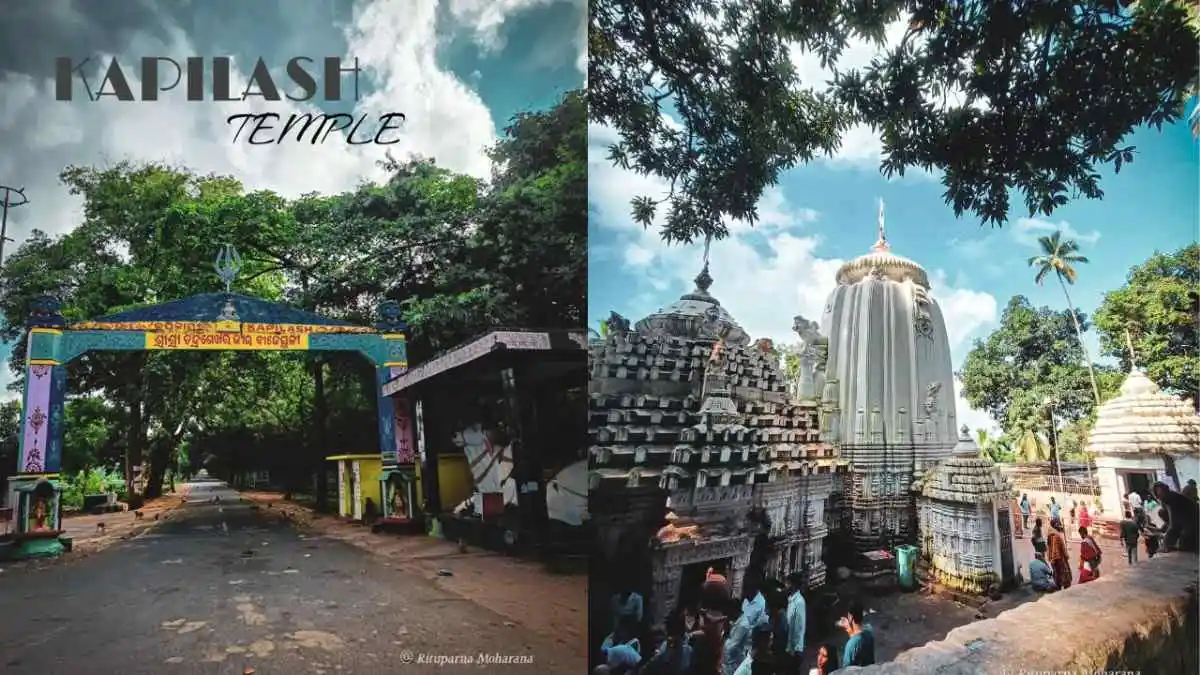
Image Source: Instagram/ रितुपर्णा महारणा
Kapilash, often referred to as the second Kailash, is located in the Dhenkanal district of Odisha, at an elevation of 2,239 feet above sea level. There are two ways to reach the temple: one can either climb 1,352 steps or take the ghati road, which has twelve turns. This temple is a living testament to the pure devotion of the Odia people. The joy of climbing the steps while chanting “Om Namah Shivaya” is a blissful experience.
Why is it called Kapilash?
It is believed that Rishi Kapila had his ashram here, where he performed daily yagnas and offerings to the Lord, causing the place to radiate spiritual energy and become holy. The name Kapilash also means “the radiant one,” and there is no one as radiant as our Mahadev.
What is the story behind Kapilash Temple?
Many stories are associated with this temple, some derived from Puranas and others from historical accounts. According to various Puranas, some believe that the place has spiritual significance because Rishi Kapila resided here, while others suggest that the Pandavas consecrated this Linga during their exile. Most accounts date the temple back to the 13th century. The King of Mayurbhanja, Pratap Dev, was cursed due to an unintentional act of Brahmahatya.
Distressed, he sought refuge on the hill of Kapilash, where he undertook penance to seek the grace of Lord Shiva. As a result of his devotion, the hill was purified, and its spiritual energy was strongly felt. Later, Narasingha Dev of the Ganga Dynasty sensed this surge of spiritual energy and decided to construct a temple dedicated to Lord Chandrasekhar.
Suggested Read: Echoes of Devotion: Lingaraj, Kora Khai, and Bindu Sagar
The Majesty of the Temple
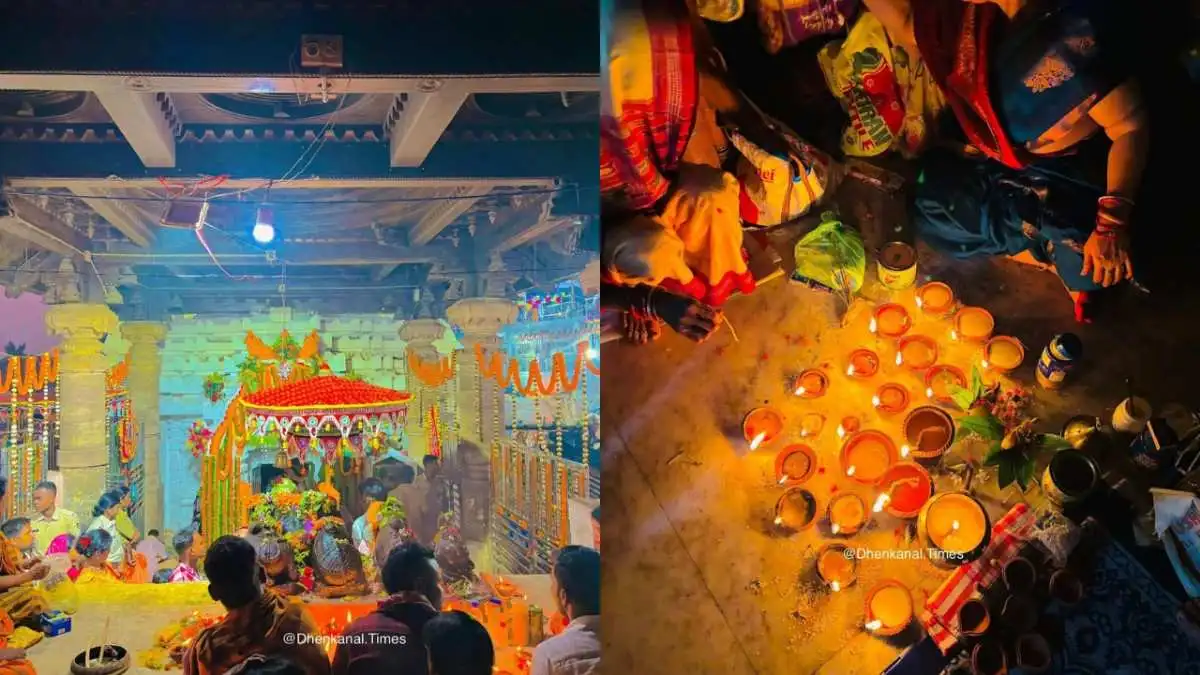
Image Source: Instagram/ Dhenkanal Times
The temple is painted white on the outside, with an interior made of fine wood. The carvings are extraordinary, especially considering the era in which they were created. The intricate carvings still appear fresh and vibrant. The Patita Pavana Jagannatha is the “Prasva Deity” of the temple, representing the magical union of Hara and Hari. To the left of the temple lies the Payamrta Kunda, while the Marichi Kunda is on the right side.
It is believed that taking a holy dip in the Payamrta Kunda can cure serious ailments, attracting devotees from across the state to experience the holy waters before visiting the Lord.
Celebration of Maha Shivaratri at Kapilash Temple
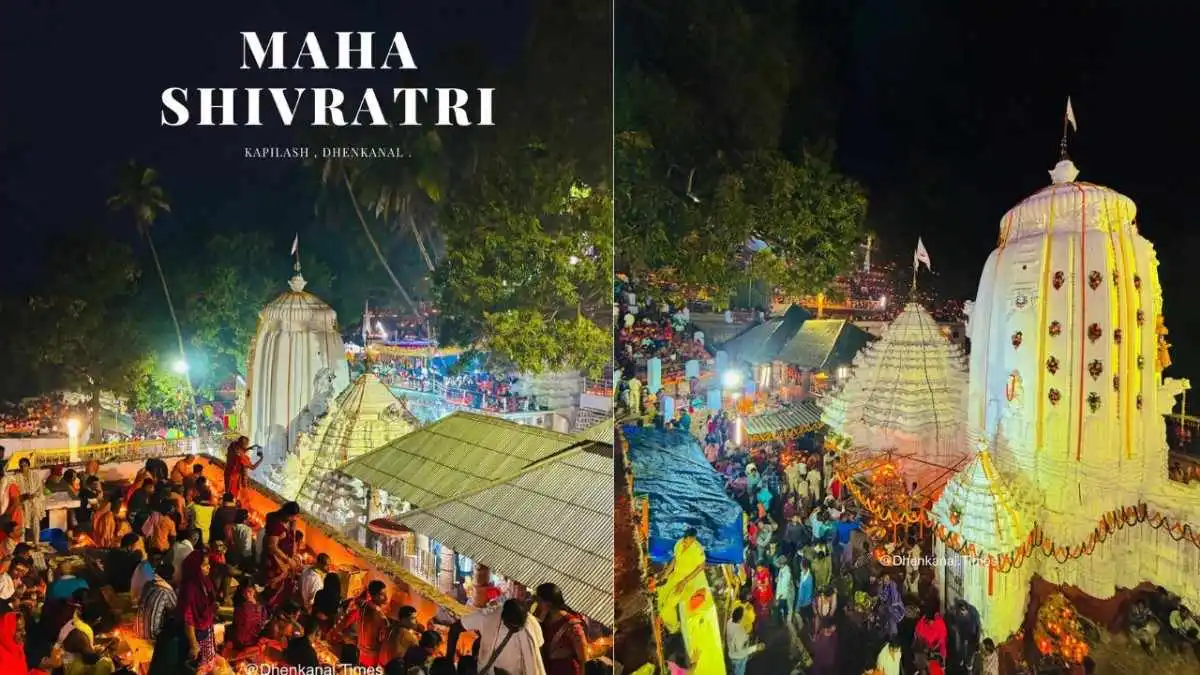
Image Source: Instagram/ Dhenkanal Times
Maha Shivaratri is the holiest night of all. The temple follows a specific schedule throughout the day, with the sebakas and priests offering various services to the Lord. Many Sadhus and Sadhakas visit the temple on Maha Shivaratri and engage in penance throughout the night, lighting their Dhuni. It is believed that those who visit the temple during Maha Shivaratri are blessed by the Lord himself.
As a result, a swelling crowd gathers with folded palms, eagerly awaiting the lifting of Mahadeepa to the temple’s shikhara. The devotees fast throughout the entire day and night of Maha Shivaratri. The morning hours are spent climbing the steps to reach the temple. As night falls, devotees gather to light clay diyas and chant various Shiva mantras.
Those fortunate enough may receive blessings from the Naga Sadhus, who are often seen at the temple during this festival. The sounds of pipes, drums, gongs, and karatalas fill the air, creating a vibrant atmosphere. It is as if Lord Shiva himself returns with his ganas to marry Maa Parvati. The temple also provides prasad to the devotees.
In Bhubaneswar, Maha Shivaratri is celebrated with great zeal and devotion at the Lingaraj Temple. The temple attracts an endless stream of devotees, and the entire night is filled with Bhajan and Kirtan. It is beautifully decorated with lights and diyas, creating a stunning sight.
My childhood memories of Maha Shivaratri take me back to a memorable visit to Lord Lingaraj, and I vividly remember his attire that day. The linga was adorned with Dudura garlands and Bael leaves.
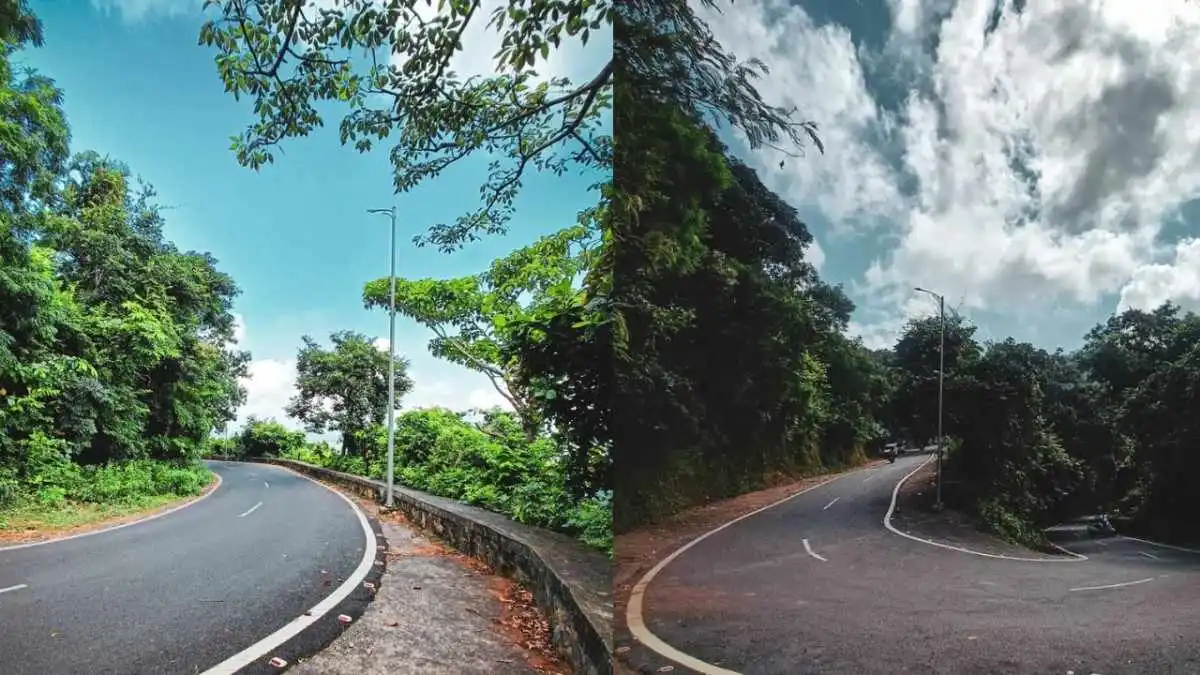
Image Source: Instagram/ रितुपर्णा महारणा
When I visited Kapilash, I experienced a profound sense of ecstasy. I recall my father sharing his own experience of visiting Kapilash during Maha Shivaratri. He described his encounters with Sadhus and how he could never forget the vibrations he felt in that holy place. As a child, I struggled to climb the 1,352 steps to the temple.
The sense of victory I felt upon reaching the top was extraordinary, but the most significant achievement was the darshan of Lord Chandrasekhar. It is a must-visit temple in Odisha. Each step I climbed filled me with joy, serving as both a physical challenge and a journey inward.
सानन्दमानन्दवने वसन्तमानन्दकन्दं हतपापवृन्दम्।
वाराणसीनाथमनाथनाथं श्रीविश्वनाथं शरणं प्रपद्ये।।
सानन्दमानन्दवने वसन्तमानन्दकन्दं हतपापवृन्दम्।
वाराणसीनाथमनाथनाथं श्रीविश्वनाथं शरणं प्रपद्ये।।
Let us bow down to Lord Shiva and be a part of the cosmic dance of Shiva and Shakti this Maha Shivaratri.
Namah Parvati Pate Har Har Mahadev!!
Featured Image : Instagram/ रितुपर्णा महारणा