Basanta Panchami and the Divine Grace of Jhankada Basini Maa Sarala
Basanta Panchami, also known as Saraswati Puja, is one of the most eagerly awaited festivals in East India. Whether in Bengal, Assam, or Odisha, the arrival of Basanta (spring) is celebrated with great enthusiasm. The goddess Saraswati, adorned in yellow, not only bestows knowledge but also blesses the world with new life. This festival reminds me of lines from Shelley’s “Ode to the West Wind,” which state, “If winter comes, can spring be far behind?” The dull grey of winter is enlivened by the vibrant yellow of spring, signaling the time for celebration.
When and why is Saraswati Puja celebrated?
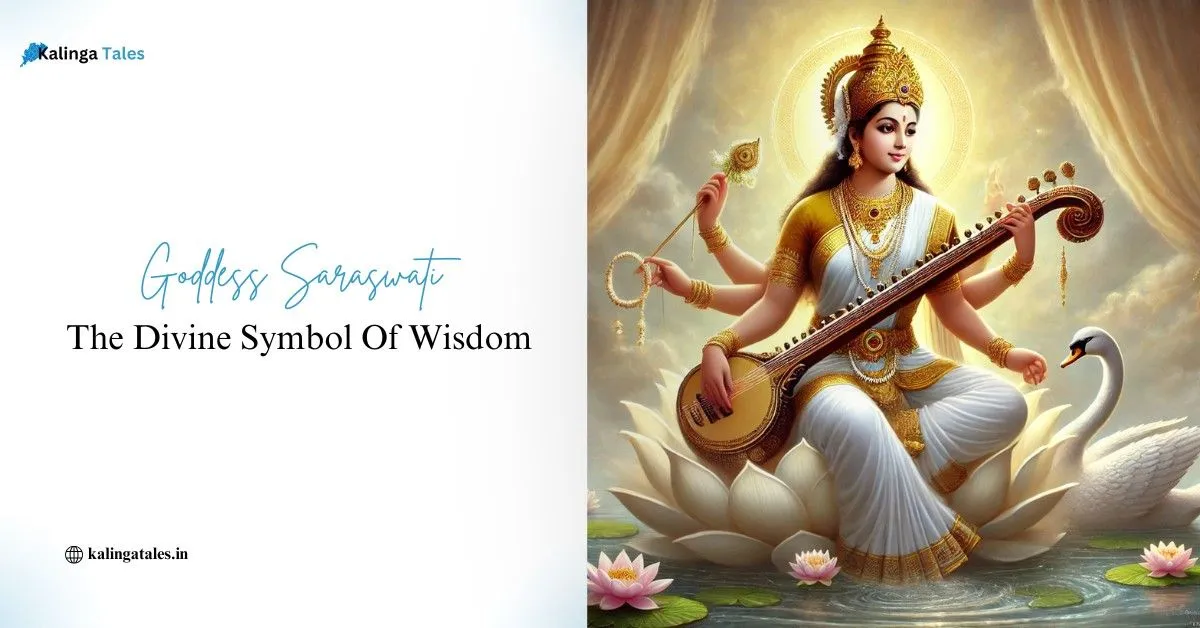
According to the Hindu calendar, the fifth day of Magha is celebrated as Basanta Panchami or Saraswati Puja. This day is dedicated to Maa Saraswati, who is believed to be the embodiment of all creative knowledge and forms of art. The yellow mustard flowers rise and sway to the rhythm of Basant, marking it as a month of harvest.
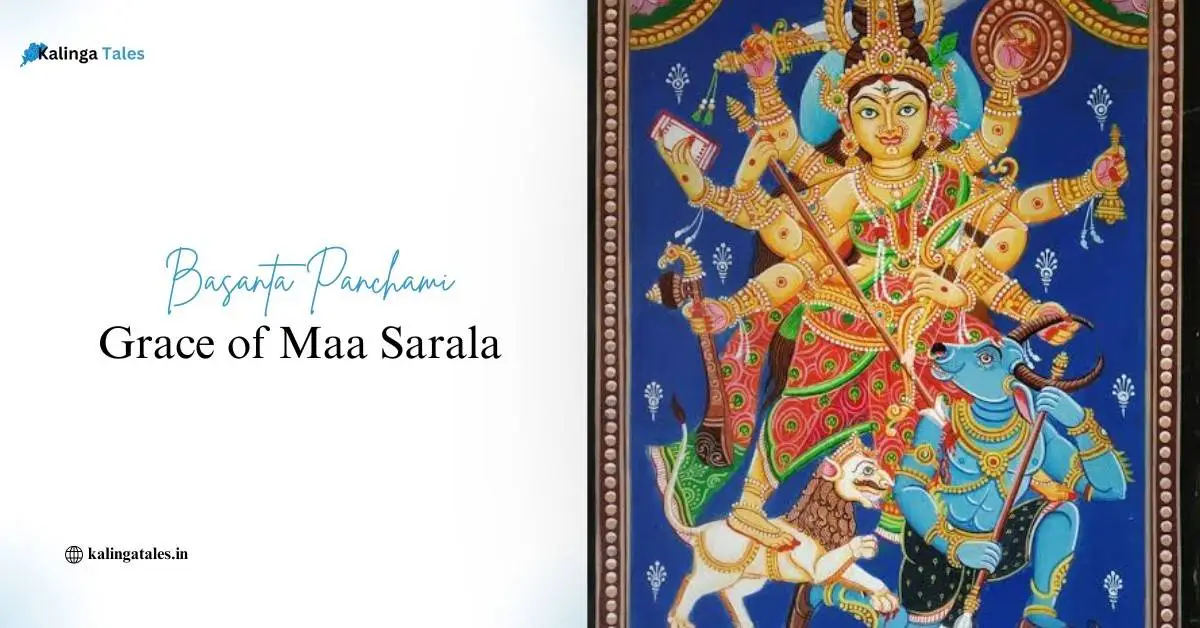
Saraswati Puja is one of the major festivals celebrated in Bengal, where vibrant decorations and alpana artwork fill the surroundings. Various sweets are prepared and offered to the goddess. In Odisha, however, Basanta Panchami (Saraswati Puja) is a bit different. It focuses on worshiping Jhankada Basini Maa Sarala, who is one of the fifty-one forms of Shakti. Maa Sarala is considered a combined embodiment of Maha Kali, Maha Laxmi, and Maha Saraswati. Therefore, we Odia people regard her as the epitome of Maha Vidya (Greatest Knowledge).
My childhood memories of Saraswati Puja revolve around going to school or tuition centers with friends to perform the puja. Every educational institution would have an idol of Saraswati Maa in the main study room, which would be decorated the day before. We eagerly waited for the late evening to help decorate the room for the next day. The following morning, girls would take an early bath and go to school to do alpana or rangoli, often bringing flowers.
The idol would be placed on a table, surrounded by books, pens, pencils, slates, chalk, and other study materials, symbolizing our prayers for the goddess’s blessings. For us, education is not merely an academic pursuit; it is a form of worship. Every Hindu would agree that education represents a spiritual attainment of knowledge, and thus we believe that Goddess Saraswati’s blessings bring enlightenment.
As I grew older, this cultural practice continued at my university, where we would even have a yajna performed by a local priest while we patiently awaited Puspanjali (offering flowers to the goddess). Basanta Panchami (Saraswati Puja) was also a time for a hearty feast after the Puspanjali, making it a blend of fasting and feasting. Have you ever tried to lick your hand clean as the kheeri (rice pudding) drips down your palm? Or relished the Bandha Kobi (cabbage) tarkari (curry) with warm, soft rice? The more I reminisce about those days, the happier I feel.
Suggested Read: Shocking Story Behind Lord Jagannath’s Bala Bhoga
Another vibrant memory I cherish from this festival is my mother conducting the puja at home before I went to school or college. We didn’t have a specific image or idol of Saraswati at home, so my mother would ask me to bow down to Jhankada Basini Maa Sarala. When I asked about her, she explained who Maa Sarala was, and I was always intrigued by the photo we had in our Puja room.
Every year, it was mandatory for my family to visit the temple. We would take the local train or bus, and the trip would fill my heart with joy as the faint smell of turmeric water tickled my nose. The air of the temple was infused with the fragrance of turmeric as the goddess was bathed in turmeric water. Chandan lepan was done, and sindoor was offered to the goddess. The ever-radiant Jhankada Basini Maa Sarala sits on a lion, holding a book, a veena, weapons, and tantra.
Just like Puri lord Jagannath, Lingaraj temple, and other spiritual places, this shrine holds significant importance. Built around the 8th century by the Bhauma kings, the idol celebrates the Mahisamardini posture of Maa Shakti.
Where is the temple situated?
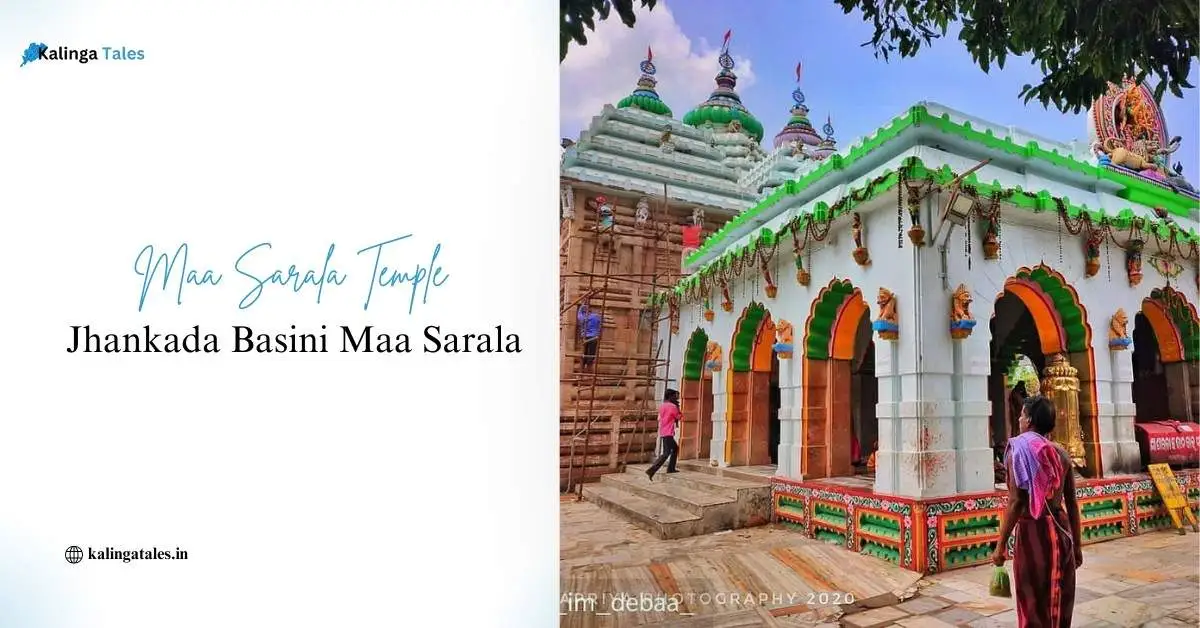
(Image Source: @odishatourismofficial /@_im_debaa_)
The temple is located in Jhankad, in the district of Jagatsinghpur. It is an ancient shrine dedicated to Goddess Sarala. Originally, the temple was situated in a village called Bada Sarol. The temple is known for its marvelous architecture and once housed many riches, which attracted Muslim invaders. Fearing that the invaders would vandalize the idol, the devotees buried it in the middle of a nearby pond.
The story behind the invasions
(Image Source: @infinite_wayfare)
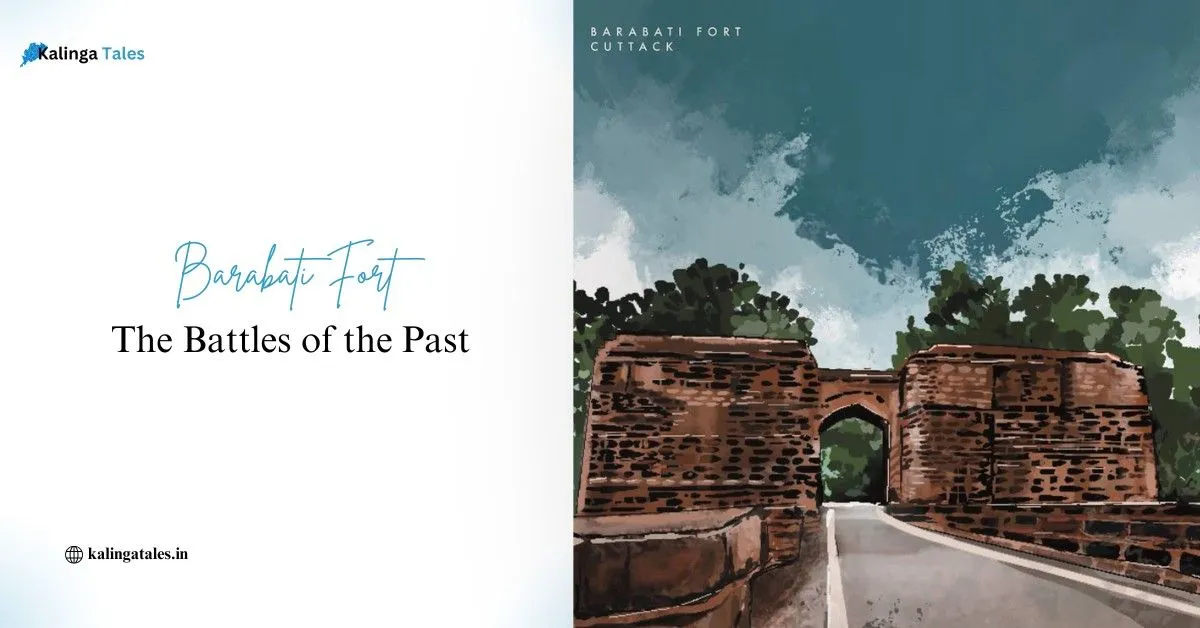
In 1856, when Odisha’s Gajapati Mukunda Deva was engaged in a campaign to conquer Bengal, the Afghan minister Kala Pahada invaded Barabati Fort and planned an attack on the temple. Upon hearing this news, one of the goddess’s devotees placed the idol in an earthen pot, disguised himself as a woman, and headed to the nearby pond to bury the idol. This was the first instance of the goddess being made Patali (underground).
The idol was concealed for a second time in 1680, when Ekram Khan became the subedar of Odisha. During his reign, he began vandalizing temples and looting them. When devotees learned of this threat, they hid the idol inside a pot and concealed it in a pond located in a secret forest near Muli Singh village. Today, this place is known as Gupta Malika Pitha (Hidden Malika Shrine).
Despite multiple attacks from invaders, the idol was preserved, and the goddess continues to hold her power, blessing the world and protecting the realm. The goddess is considered a protector, and those who visit the temple with a wish often find it granted. Many testimonies of this can be found throughout Odisha.
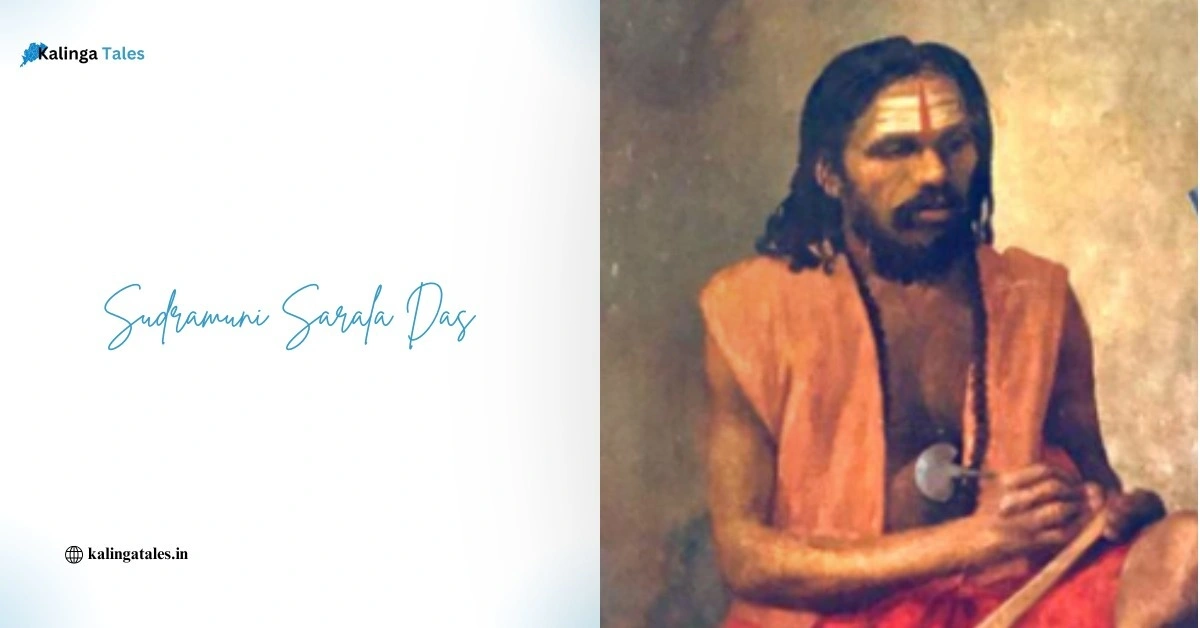
One beautiful story relates to Shudramuni Sarala, originally named Siddheswar Parida, who was born in the 15th century in Jhankad. It is believed that Parida was illiterate. One day, while singing melodiously in his father’s field, the goddess Sarala paused to listen to his song and endowed him with the power to compose beautiful poems. For days, he lay at the feet of Goddess Sarala seeking her blessings, and eventually, he was enlightened by her divine presence. Later, Sarala Das composed a version of the Mahabharata called the “Sarala Mahabharata,” which is believed to have been narrated to him by the goddess herself. He is now considered one of the legendary poets of Odisha.
The divine grace of the goddess shines through in many ways. The temple is believed to be the abode of Tanta Upasan, and a unique dance called Ghata is performed by the Roula community, which is part of Tantricism. The history of the temple is as rich as its current recognition. Many festivals, such as Vijaya Dashami and Saraswati Puja, are celebrated at the temple.
(Image Source: A Foodies’ Diary)
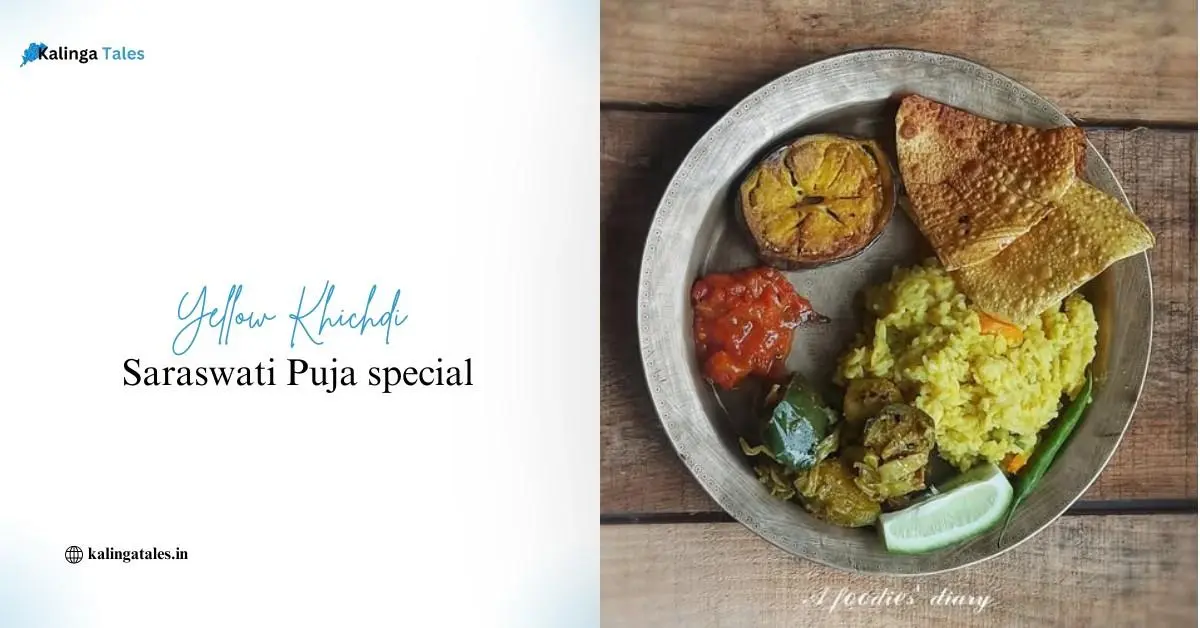
During these festivals, special dishes like Yellow Khichdi, Dalma, a sweet chutney made with tomatoes and dates, and Kheeri are prepared and offered to the deity. Interestingly, on every Basanta Panchami (Saraswati Puja), various institutions host feasts where these same dishes are cooked. For every Odia person, Sarala represents the greatest form of Saraswati, as she protects the state and enlightens those who seek knowledge. Despite her fierce form, the goddess’s heart is soft and tender for her children.
Suggested Read: Sweet Makara Chaula and Traditions of Makara Sankranti in Odisha
This is the story of our land, where every festival has its own narrative. Each temple and the idol seated within the Garbha Griha holds secrets and legends that can only be truly experienced.
May this Vasant Panchami fill everyone’s life with positivity. Let us come together to pray near Goddess Sarala for brighter days ahead
Ya Kundendu Tusharahara Dhavala Ya Shubhra Vastravrita
Ya Veena Varadanda Manditakara Ya Shveta Padmasana
Ya Brahmachyuta Shankara Prabhritibhir Devaih Sada Pujita
Sa Mam Pattu Saravatee Bhagavatee Nihshesha Jadyapaha