
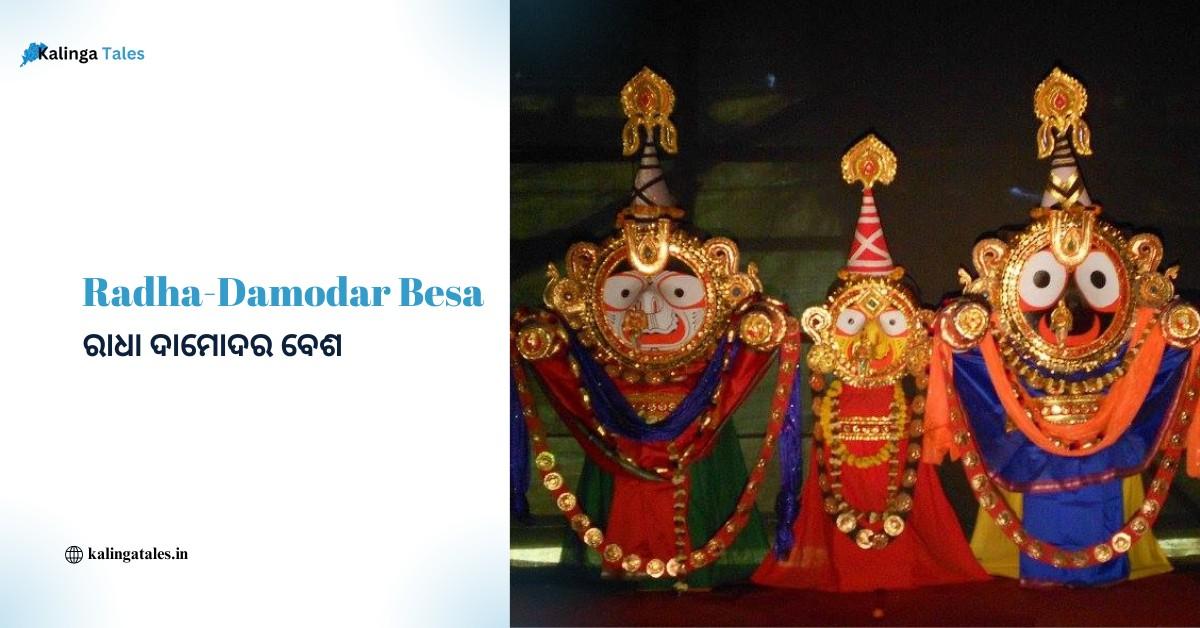
Kartika Niti: Importance of Radha-Damodar Besa and Kartika Mahatmya
The month of Kartika evokes memories of early winter mornings. My mother would be seen sitting near the Tulasi Chaura, making Rangoli (Muruja). It was always a blissful time. The entire house thrived with positivity as she read the Kartika Mahatmya. As a child, I hardly understood the meanings, but I was always fascinated by the puranas and scriptures read during sacred days and months.
What is Kartika Mahatmya?
(Source: Quora/Ayush Sharma)
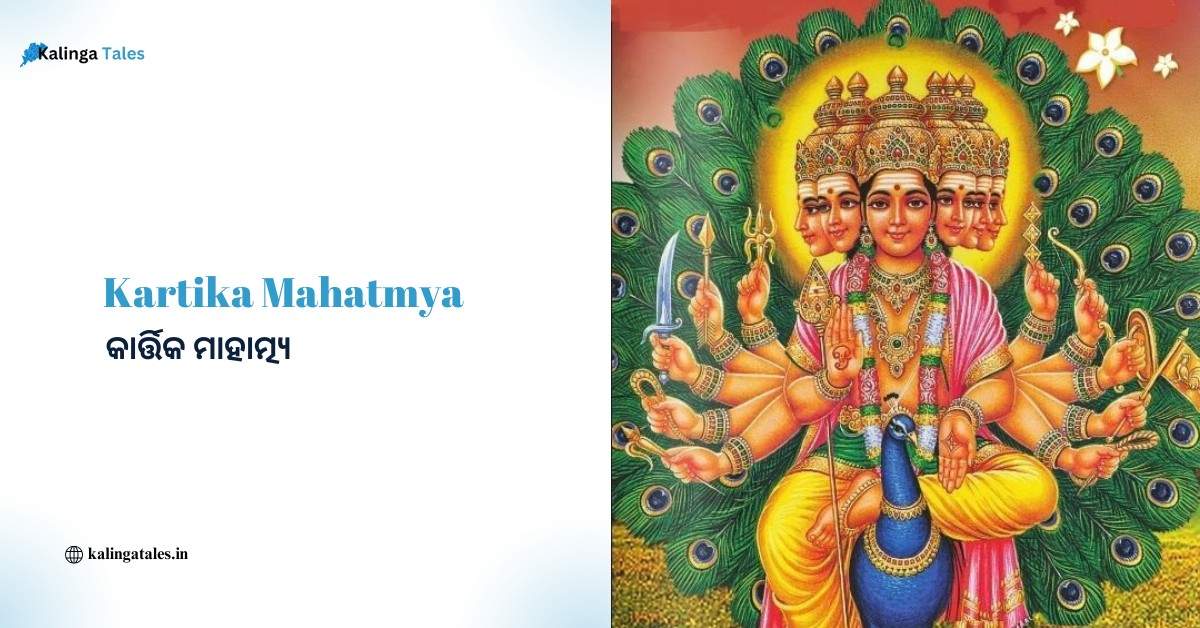
Kartika Mahatmya is a section of the Padma Purana that narrates the significance of the holy month of Kartika. Although it has several authors, in Odisha, we read the version of Kartika Mahatmya trans-created by Shri Mahadeva Das.
Who is Mahadeva Das?
Mahadeva Das is one of the ancient poets of Odisha, about whom we have limited knowledge. However, from Kartika Mahatmya, we learn that he belonged to the Shudra caste. His works, nonetheless, speak volumes of his intellectual capabilities and competence. Mahadeva Das is believed to be the first trans-creator of the purana that pays homage to Lord Damodar before beginning the Kartika month’s katha. He was indeed a true devotee, or sebaka, of Lord Jagannatha.
Who is Lord Damodara?
(Source: FB/JAISHREEJAGANNATH)
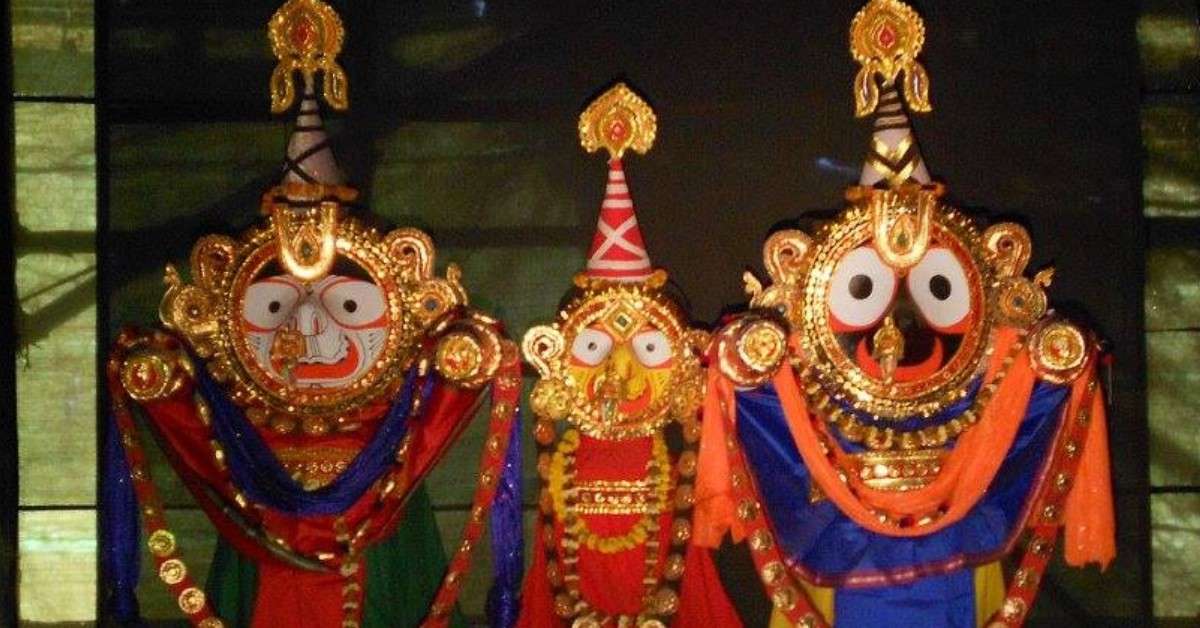
Lord Damodara is one of the many forms (beshas) of Lord Jagannatha. The word “Damodar” means one whose belly is tied with a rope. This name comes from a story in which Krishna was caught stealing butter, angering Mother Yasodha. She decided to punish him by tying him up to restrict his movement. In this bound state, Krishna displayed his Damodara avatar to Mother Yasodha, showcasing one of his many leelas (divine acts) that we still love to read and hear about.
Suggested Read : Shocking Story Behind Lord Jagannath’s Bala Bhoga
When is the Lord adorned with the Damodar Besha?
The besha is called Radha Damodar besha, not just Damodar. Lord Jagannatha incarnates as Radha Damodar every Suklapakhya (waxing phase) of the Ashwin month, continuing until Kartika Ekadashi. During this time, the Lord is adorned with various jewellery and ornaments, and his clothing is equally mesmerizing. He first receives morning bhoga (offerings), followed by Raja bhoga, and then Bala bhoga.
When did the Lord start to be worshipped in this besha?
There are various stories and answers to this question. Research by Sushanta Kumar Dash and Dr. Bhaskar Mishra mentions both the 12th and 16th centuries as the time when this besha began. It is believed that the composition of Gita Govinda by Jaydev inspired the worship of the Lord in this form. Jaydev’s depiction of Shri Radha is particularly significant, and the importance of Damodar’s Besha is accentuated when accompanied by Radha. During the month of Kartika, Radha and Krishna are believed to be in each other’s embrace, and to celebrate this in Puri, we adorn the Lord in the Radha-Damodar besha. Devotees line up to glimpse the divinity. However, many scholars believe that the ritual of worshipping the Lord in the Radha-Damodar form began with the arrival of Shri Chaitanya Mahaprabhu at Puri in the 16th century.
Seven Golden Rules Most Odias Follow During the Month of Kartik
1. Waking Up in Brahma Muhurta
It is believed that waking up during Brahma Muhurta helps individuals align themselves with cosmic divinity. During this time, the mind’s concentration is at its peak, allowing one to function more efficiently.
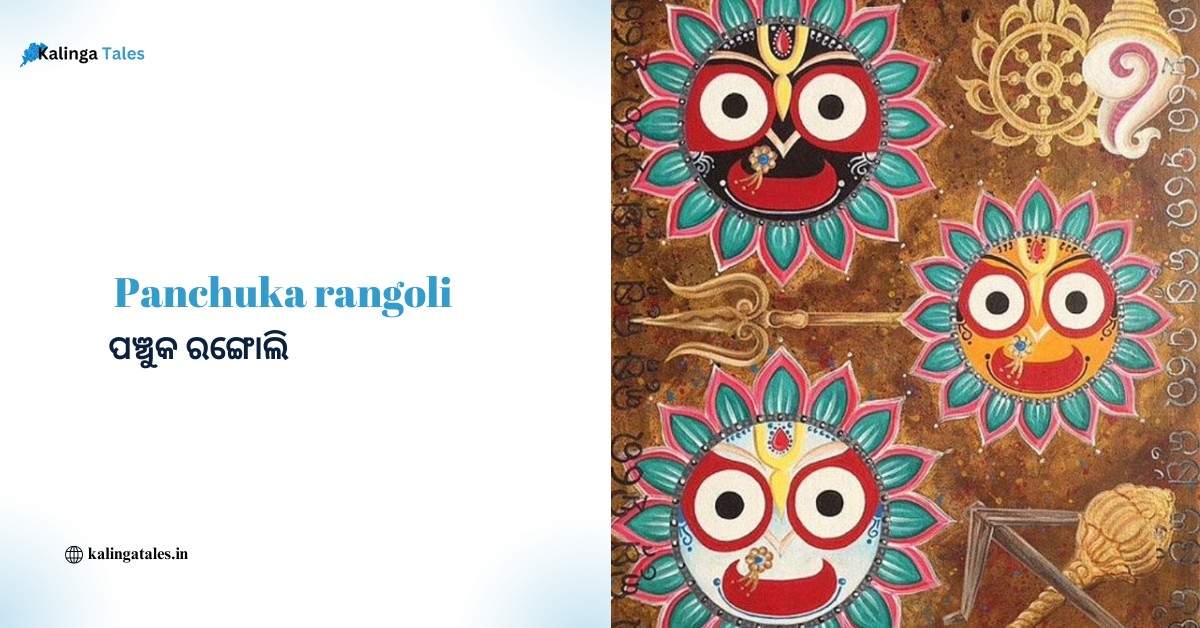
2. Offering Puja to Tulsi by Lighting Lamps and Making Rangoli
(Source: FB/Hari Krishna)
This practice is common in all Odia households. You will often see mothers, grandmothers, or other women of the house engaging in this ritual. However, this is not a gender-specific role, as men can also actively participate.
3. Daily Reading of Kartika Mahatmya and Chanting the Names of Radha-Damodar
It is believed that reading Kartika Mahatmya with dedication brings the grace of Radha-Damodar. Even mere listening to the katha can bring positivity to the mind and heart.
4. Intake of Habishya Food
During the month of Kartik, people often consume food without spices and oil, known as Habishya. In Odisha, there are specific meals prepared for this month, such as the famous Habishya Dalma. Many older people prefer to travel to Puri to celebrate the month. This period is characterized by simple eating and living, with many even abstaining from non-vegetarian food, as killing animals is considered a sin during this sacred month.
5. No Oiling
Although this rule isn’t strictly adhered to, it’s common for those observing Kartik to avoid oiling their hair or body. Many would refrain from luxuries and focus solely on chanting God’s name.
6. Month of Charity
It is believed that performing acts of charity during this month is one of the easiest ways to attain salvation and please the gods. This could involve giving away food or clothing, depending on one’s capacity.
7. Visiting Puri for the Darshan of the Lord of the Universe
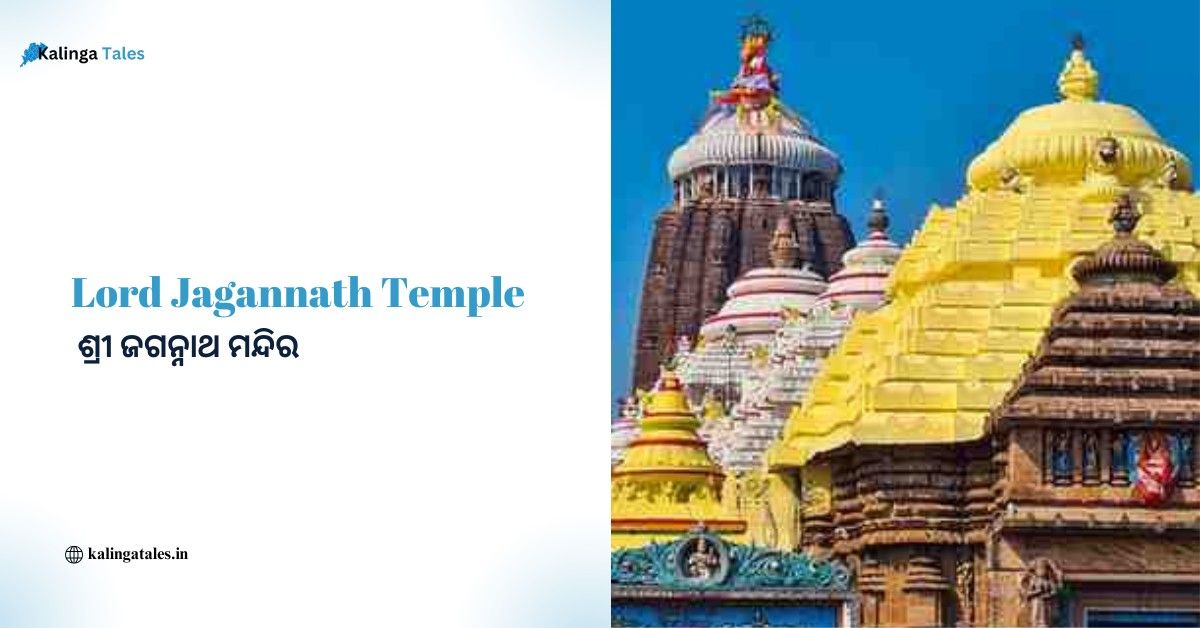
It is customary for all Odias to visit Puri and pay their respects to the Lord in His Radha-Damodar attire. After the visit, it is essential to bow down to the Mahodadhi Ocean and take a holy dip.

Pingback: Sweet Makara Chaula and Traditions of Makara Sankranti in Odisha
Pingback: Echoes of Devotion: Lingaraj, Kora Khai, and Bindu Sagar - Kanlinga Tales